Our Story

No Distributors. No Markups. No BS. 


We keep it simple—no middlemen, no inflated prices, just top-tier products at prices that make sense. By cutting out distributors, we deliver premium products without the extra costs. That means fresher flower, cleaner concentrates, and high-quality edibles straight from the source.


While other brands jack up prices to cover fees, we don’t play that game. No overpriced hype, no shady shortcuts—just pure, high-quality cannabis for real ones like you.

Our Story

Topic

Straight from the Source to Your Stash.

Straight from the Source to Your Stash.

Good weed starts with good growers—that’s why we partner directly with top cultivators who know their craft. From carefully selected genetics to expert care, every plant is grown with intention, ensuring you get the freshest, most potent product possible. Whether you’re rolling up or dabbing, you’re getting the good stuff straight from the source—just how it should be.

The Plug that Always Pulls Through.

The Plug that Always Pulls Through.

Whether you’re shopping online or waiting on a delivery, we make sure your experience is smooth and easy.


We’re your trusted plug, always ready to come through with the best products and service. From expert advice to fast, reliable delivery, we’ve got your back—always.

Your Favorite Brand’s Favorite Brand.

Your Favorite Brand’s Favorite Brand.

Forget following trends—we’re setting them. We’re your dealer on demand; no gimmicks, no fine print. We ditched the corporate vibe to create a community for stoners, by stoners.


Our focus? Sourcing the best products and supporting our Wolfpack. Whether you’re an OG or a newbie, consider this your invite to the smoke circle.

Blogs

Is THCa Actually Legal?
Blog

Is THCa Actually Legal?

So, you're about to place your first Hyperwolf Hemp order and you're wondering, 'is THCa legal?' We appreciate the caution, so we're happy to give you the breakdown!   But before we can dive into the legal landscape surrounding the question is THCa legal, let's take a moment to discuss the ABCs of THCa—without getting too "Breaking Bad" on you.   Think of THCa as THC’s baby cousin, the one that hasn’t hit the rebellious phase yet. THCa (tetrahydrocannabinolic acid for short) naturally occurs in the cannabis plant. It's completely non-psychoactive until—BAM—it gets heated and morphs into THC through a process known as decarboxylation.   Now, onto the legal stuff. In this blog, we'll uncover everything you need to know about the current legal status of THCa in the United States. Spoiler alert: THCa derived from hemp flower is a loop-hole protected under the 2018 Farm Bill — but more on that later.   Let's begin!

Cannabis Plant Breakdown

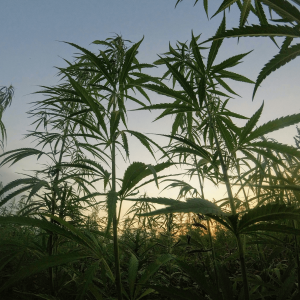
Alright, Cannabis 101 coming right up.   Picture a cannabis plant; it's not just a pretty face with its iconic leaf and all. Our favorite green herb is made up of more parts than a smartphone, with everything from its sticky, resinous buds to the less glamorous, yet equally important, stems and leaves.   Now, the real magic happens when we zoom in on the compounds that make up these cannabis plants. You've probably heard of CBD, right? The chill pill of the cannabis world? Then there's THC, the life of the party, making you feel like you're the main character in a stoner comedy. And let's not forget THCa—THC's precursor.   These compounds each have their contributions to the overall cannabis experience, creating the most well-rounded high possible with cannabis buds. So whether you're here for the wellness, the giggles, or the science, there’s a cannabinoid out there for you.   Hemp plants growing outdoors  
The Legal Tangle of Cannabis

So, is THCa legal? Well, from 1937 to 1996, both medical marijuana and recreational cannabis were completely illegal. Laws were stiff, and anything remotely fun was given the side-eye.  

A Brief History of Cannabis Laws: From Prohibition to Prescriptions

Cannabis, once a household name in the 19th century for all sorts of remedies, got caught in a riptide of regulations. By the 1930s, the United States banned all cannabis and other hemp derived products, through the Marihuana Tax Act. Note that hemp is the plant cannabis sativa L.   Fast forward through decades of prohibition and suddenly, states were switching gears. With California lighting up the movement in 1996 for medical use, cannabis started to shed its bad rep.  

The Farm Bill Saga: Legal Hemp, Marijuana, and the Legal Gray Area

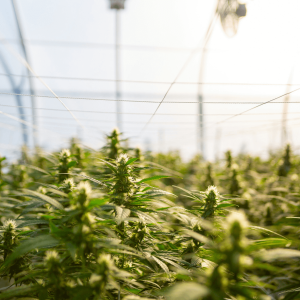
Then came the plot twist—The Farm Bill of 2018. This legal page-turner was like the glow-up for industrial hemp, giving it a distinction from marijuana (which is illegal under the Controlled Substances Act) based on THC content.   Hemp products, with less than 0.3% THC, were now protected under federal law. This helped to clear up any confusion for stoners wondering is THCa legal. Meanwhile, recreational marijuana itself was still in the gray area of the law.   So, where does that leave THCa flower? In layman's terms, it's sitting in limbo. Because it's not psychoactive until it turns into THC, it's like finding a loophole—not technically breaking the rules. It's this legal sidestep that keeps THCa in the clear.   And that’s the lowdown on the legal labyrinth that is cannabis. Stick around, and we'll chat some more about what all this means for your wellness routine, your Friday nights, and—yes—your Hyperwolf Hemp orders.   indoor-grown hemp plants in a greenhouse  
Is THCa Legal in Other Counries? THCa's Legal Status Explained

Alright, let’s hop on a global tour of THCa's legal status, shall we?   Here in the USA, it’s complex. Each state has its own rules and regulations when it comes to cannabis laws. Under federal law, thanks to the 2018 Farm Bill, you're in the clear with THCa as long as it's from a hemp plant with that magic number of 0.3% THC or less. So, is THCa legal in the USA? Yes.   Now, across the pond and around the globe, the tune changes. While some countries have hemp-friendly hemp laws, others... not so much.   Countries like Canada are pretty open, treating THCa flower much like they treat THC, but under strict regulations. Then there’s the Netherlands, where coffee shops might give you a wink with your latte, hinting at their famously relaxed cannabis policies.   Meanwhile, in parts of Asia and the Middle East, it's a hard 'no-go'—the laws are super strict, so you wouldn’t want to play hide and seek with THCa there.   So, is THCa legal in every country? Or even decriminalized? Absolutely not. With that being said, whether you're planning to cross state lines or fly over oceans with your trusty THCa products, make sure you do your homework ahead of time.  

From Lab Coats to Courtrooms: Science's Influence on Green Legislation

Research is buzzing with chatter about how THCa flower might just be the new biggest thing within the cannabinoid family.   Studies are looking into how it could help keep inflammation in check, shake off nausea, and protect those precious neurons in your brain. And because we're all about keeping it real — no, we're not claiming it's a miracle cure — but the potential is pretty cool.   Now, here's where it gets juicy. These studies don't just gather dust on a shelf; they play a part in shaping the laws. So while legislation might seem slower than a sloth on a lazy Sunday, research on THCa helps it keep up with the times.   Keeping an eye on this interplay could mean big things for your wellness game, public health, and maybe your next Hyperwolf Hemp haul. In other words, stay tuned — science and law are crafting the future of cannabis hand in hand.  

But Does THCa Get You High? Debunking Myths

It's time to set the record straight. THCa flower in its natural state isn't going to send you to the moon. After all, that's why it's legal. Only when it's heated upon consumption will you experience its psychoactive effects.  

Psychoactive Properties (or lack thereof) of THCa

Let's geek out for a second without going full mad scientist.   THCa is like a version of THC that hasn't tapped into its wild side yet. When THCa says "see ya!" to its carboxyl group (that's science-speak for a little chemical makeup shift), then you get THC—the compound everyone knows for its psychoactive high.   This only happens when you heat things up, like when you're vaping or baking brownies. So, if you’re just munching on raw leaves like a rabbit, no high for you.  

Countering Common Misconceptions

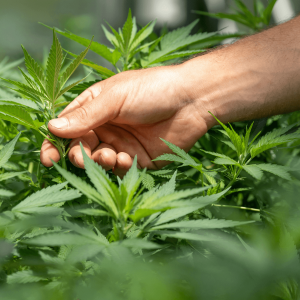
We all have an Aunt Karen sharing eye-roll-worthy myths on social media. She'll swear on her essential oils collection that "just touching the stuff will get you high!"   But here’s the real scoop: straight-up THCa isn’t psychoactive, and handling it isn't going to alter your state of mind.   In the end, the only thing THCa might heighten is your curiosity, especially once you dive into the science behind this fascinating cannabinoid.   a man analyzing hemp plants  
Is THCa Legal? How THCa Is Tested And Regulated

Testing THCa is all about timing and expertise. Scientists have their hands full making sure THCa is just the right kind of chill before it hits the shelves.   They have gadgets and gizmos aplenty, testing THCa levels to ensure they're under that 0.3% THC federal limit. Because, in the end, the law's the law — and staying on the sunny side of it keeps everyone out of hot water.   As they toggle between safety and efficacy, researchers do a delicate dance to bring you the good stuff without any fuss. It's this balance that helps you get high without worry — or a sudden need to explain yourself to the authorities.   So next time you snag some THCa goodies, just remember that third-party testing has your back.  

The Consumer’s Guide to THCa

Considering hopping on the THCa train? Before you swipe your card, here are the details you have to check:
  • Strain Game: Unsurprisingly, there are loads of cannabis strains. Do some digging on which strains are known for high THCa levels.
  • Local Laws: Don't buzzkill your good times. Scope out your local laws to make sure you're in the clear with growing or buying THCa products.
  • Quality Check: If it looks sketchy, it probably is. Look for reputable sources that have solid reviews or come recommended by other hemp enthusiasts.
  • Test Reports: Legit sellers often show off their third-party test results. No report? That's a red flag.
  • Price Check: If it's dirt cheap, your spidey senses should tingle. Good quality might cost a bit more, but it's worth it for the peace of mind.
 

Label Literacy: Understanding Product Testing and Labels

Becoming a label-reading master is key. Here's how to crack the code of THCa product labels:
  • THC Content: Remember the magic number—below 0.3% THC. Labels should show the THC content to keep things legal and easy-breezy.
  • Source Story: Is the THCa sourced from legit hemp? Ensure the label explicitly says so.
  • Lab Seal of Approval: Third-party testing ensures that the product you’re getting has been checked out by unbiased pros.
  • Ingredient List: Keep it clean. The fewer ingredients, the better. Suspicious chemicals? No, thank you.
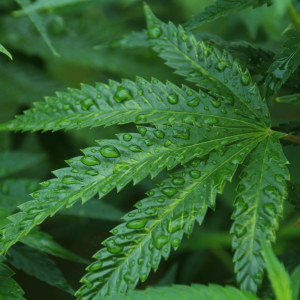
  a green hemp leaf with water droplets  

Healthcare's Stance on THCa

If you've been keeping tabs on cannabis convos, you've probably heard the buzz about THCa.   Now that you're no longer wondering whether or not is THCa legal, let's see what the stoners in the white coats think about it.  

Doc Talks: Health Care Professionals Weigh In

Now, we aren't doctors, but we've chatted with a few. Healthcare professionals are getting pretty psyched about the potential health benefits THCa might have.   We're talking about benefits like reducing inflammation and even nausea — sounds like a win, right? But despite the promising chit-chat, the medical community is still tip-toeing around THCa to avoid side-stepping any federal government regulations.  

Pioneering Treatments and Trials with THCa

And then there are the daredevils of medicine, always down to explore uncharted territories. These trailblazers are experimenting with THCa in clinical trials, eyeing it as a possible sidekick in treating a number of different health conditions.   So, is THCa a medical marvel or a legal landmine? That's the burning question. On one hand, we have a compound that's turning heads for all the right reasons. On the other hand, lawmakers are keeping a watchful eye, making sure everything's by the book.   As for us? Let’s stay tuned, keep the conversation light and curious, and who knows? Maybe one day we'll see THCa within legal healthcare.  

Conclusion: Is THCa Legal?

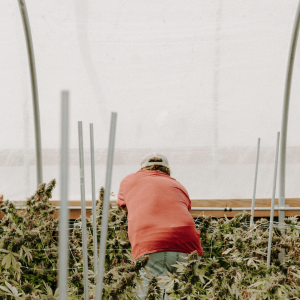
To wrap it up, we've uncovered the good, the bad, and the straight-up fuzzy while answering the question, 'Is THCa Legal?'   Let's break it down. The good: THCa has perks that have health gurus and the canna-curious excited. Also, because it is THCa hemp flower, it's not considered among one of the many controlled substances in the United States under federal law.   The bad: there's still a bit of a gray area regarding the legal uncertainties hovering over THCa, so you have to navigate those waters carefully. This rings especially true if you plan to travel overseas with your favorite hemp-derived products.   And the fuzzy? Well, that's just all the head-scratching, the myths (looking at you, Aunt Karen), and the "what-ifs" still left to sort out.   Looking ahead, it's about staying informed, riding the wave of research, and keeping the dialogues open. Hopefully, with more clarity and open minds, we'll roll towards a future where THCa can be in the healthcare spotlight, with any legal tangles smoothed out.   So, here’s to the high road ahead — may it lead to greener pastures and clear blue skies for THCa fans everywhere.   man in red shirt in a cannabis greenhouse  
Frequently Asked Questions

1. What is THCa and why is it legal?

THCa, short for Tetrahydrocannabinolic acid, is a non-psychoactive precursor to THC found in both raw cannabis buds and live cannabis. As it doesn't produce a high unless decarboxylated (heated), it manages to skirt the legal issues that THC faces. It's considered federally legal under federal law if derived from legal hemp and containing less than 0.3% THC.  

2. Is THCa a controlled substance?

Under federal law, THCa is not among the controlled substances as long as it's derived from legal hemp and contains less than 0.3% THC. However, laws can vary widely at the state level, so it's crucial to check local regulations to ensure that THCa hemp and hemp products are legal in your area.  

3. Do drug tests detect THCa?

Most standard drug tests are designed to detect THC, not THCa. However, because THCa can convert to THC in the body or through exposure to heat, there's a possibility it could cause a positive drug test result. Always use caution and consider the potential risks before using THCa products if you're subject to drug testing.  

4. Which is stronger, THCa or Delta 8?

Delta 8-THC is a psychoactive cannabinoid, whereas THCa is not psychoactive in its raw form. This means that in terms of producing a "high," Delta 8-THC is stronger. However, when THCa is decarboxylated and becomes THC, it can produce stronger psychoactive effects than Delta 8-THC or Delta-9 THC.  

5. Is THCa legal?

THCa's legality hinges on its source and THC content. Federally speaking, it's legal if it's hemp-derived and contains less than 0.3% THC. Yet, federal and state laws vary, and it's crucial to review local statutes for potential differences.  

6. Which is stronger, THCa or Delta 9 THC?

Delta 9-THC is definitely the stronger one when it comes to psychoactive effects. While THCa has to be converted (through decarboxylation) to become psychoactive, Delta 9-THC is potent and active in its original form, providing the classic "high" associated with cannabis.   It's worth noting, however, that THCa presents the same "high" associated with Delta 9 THC once it's been heated through a process known as decarboxylation.

February 2, 2024

How is THCa Flower Made? An In-Depth Guide
Blog

How is THCa Flower Made? An In-Depth Guide

It's no secret that THCa is gaining popularity in the world of weed, with prominent companies like Hyperwolf expanding their operations to include the hemp plant. If you're wondering 'how is THCa flower made,' we're here to help!   THC and THCa are both cannabinoids present in the cannabis plant. While THCa serves as the precursor to THC, it is becoming increasingly popular among cannabis consumers seeking wellness benefits without the legal constraints associated with THC.   In this guide, we'll explore the nuances of THCa flower – how it differs from THC, the extraction process, and why it's becoming sought-after. We'll also take a deep dive into the potential health benefits of consuming THCa flower and how to incorporate it into your daily life.   So, how is THCa flower made? Keep reading to find out!

Understanding Cannabis Chemistry: Cannabinoids and Terpenes

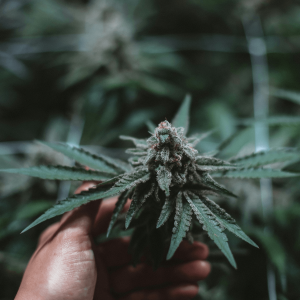
At the heart of cannabis chemistry lies a complex interplay between cannabinoids and terpenes. If you're unfamiliar, cannabinoids are chemical compounds responsible for the myriad of effects that cannabis can induce.   Among these, THCa and THC are two closely related compounds. THCa, or tetrahydrocannabinolic acid, is the non-psychoactive precursor to THC, or tetrahydrocannabinol.   The transformation from THCa to THC takes place through a process called decarboxylation. This occurs when the marijuana flower is exposed to heat or sunlight.   Decarboxylation releases carbon dioxide, converting THCa's non-intoxicating form into the psychoactive THC that is typically associated with cannabis "high."   From a therapeutic standpoint, consumers are quickly becoming increasingly interested in the potential effects of THCa in hemp flower, which exists naturally in the raw cannabis flower. Additionally, these same consumers are gaining interest in its interaction with terpenes, which are aromatic compounds that also influence the plant's effects.   a mature cannabis plant  

The Stages of Cannabis Plant Growth

In order to answer the question, How is THCa flower made?, it's essential to understand the stages of cannabis growth.   After all, an understanding the development of THCa is key when exploring the life cycle of the cannabis plant.   Here's a quick rundown of each stage:  

Stage 1: Seed Germination

This initial phase marks the beginnings of the cannabis plant’s life cycle. Cannabis seeds require the right temperature and moisture to sprout, usually within a week.   After germination, a small root will burrow into the growing medium and a shoot will seek out light.

Stage 3: Vegetative Growth

Following germination, the cannabis plant enters the vegetative stage where it develops its iconic leaf shape and structure. During this period, it requires ample light, nutrients, and water to accumulate mass and size.   The vegetative phase is crucial for establishing a strong foundation for the forthcoming THCa flowers.  

Stage 4: Flowering Phase

Triggered by changes in the light cycle, cannabis plants then enter the flowering stage, which is when THCa production begins to intensify.   During this stage, the plant’s energy is focused on producing buds. It’s also the phase where monitoring for the ideal balance of cannabinoids can dictate the optimal harvest time.  

Stage 5: Harvesting

The final stage is harvesting when the cannabis plant is harvested for its buds, which hold valuable cannabinoids such as THCa.   The timing of the harvest can affect the levels of various cannabinoids, with an earlier harvest preserving higher concentrations of THCa before it converts to THC.   After harvesting, the buds are dried, cured, and then ready for consumption or further processing.   dark green hemp flowers  

Cultivation Techniques for High THCa Production

The pursuit of high THCa levels in cannabis plants has led growers to refine their cultivation techniques to optimize THCa flower production.   Selecting the right strain and growing conditions are crucial for producing a high THCa yield. Let’s take a look at a few components that contribute to maximizing THCa content in the following sections.  

Strain Selection for High THCa

When it comes to achieving high THCa production, the genetics of the cannabis plant are key. With that being said, strains specifically bred for high THCa content are essential.   Breeders have developed varieties that naturally produce higher levels of THCa, enabling cultivators to begin with genetics that predisposes the plant to its desired cannabinoid profile.  

Growing Conditions That Affect Cannabinoid Levels

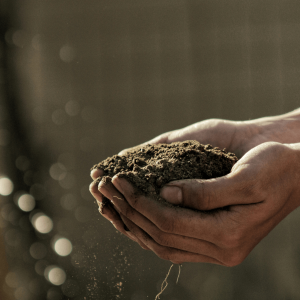
Cannabinoid synthesis can be influenced by numerous growing conditions, including light, temperature, and soil pH.   Ensuring the right amount of light exposure, particularly UV-B light, may help you to better grow THCa flower. Temperature control is also critical, as too much heat can degrade cannabinoids, while cooler temperatures can slow plant growth.   And finally, a well-balanced soil pH helps the plant to absorb the necessary nutrients pivotal for cannabinoid development.  

Organic Versus Non-Organic Cultivation Methods

The debate between organic and non-organic cultivation methods is forever ongoing in the cannabis community.   Organic cultivation involves using natural soil amendments and avoiding synthetic pesticides and fertilizers, which can result in a more natural flavor profile and potentially safer consumption. It's debated whether organic methods impact cannabinoid levels, but many growers claim that these practices lead to a higher-quality end product.   Non-organic methods, however, often allow for more controlled nutrient management and sometimes higher yields, but at the potential cost of introducing undesirable chemicals into the plant and its surroundings.   By meticulously selecting seeds, optimizing growing conditions, and choosing cultivation methods aligned with the desired outcome, growers can influence the THCa levels in their cannabis plants.   With the THCa market growing rapidly, understanding these crucial cultivation strategies becomes more valuable for both producers and consumers.   person holding a mound of brown dirt  

Harvesting and Its Impact on THCa Levels

Knowing when to harvest cannabis is crucial for cultivators aiming to maximize the THCa content of their crop. By understanding the life cycle of cannabis plants, growers can time their harvests to align with peak THCa levels.  

Timing the Harvest for Peak THCa Content

Cannabis plants show their readiness for harvest predominantly through the maturity of trichomes, which are the resinous glands where cannabinoids are concentrated.   Using magnification, growers can examine trichome color and clarity to determine the perfect moment to snip their buds. Ideally, a majority of trichomes should shift from clear to a milky white hue, indicating maximum cannabinoid production with high THCa levels.  

Techniques for Harvesting Cannabis

When harvesting, growers must delicately handle the buds to avoid trichome damage. Using sharp, sterilized scissors or shears, the branches are carefully trimmed and buds removed.   Some growers harvest the plant whole to reduce trichome agitation, while others may trim the plant selectively.  

Post-Harvest Handling to Preserve THCa

Immediately after harvesting, the process of drying and curing takes place. This phase is essential for reducing the decarboxylation process that converts THCa to THC.   The drying process should be slow and controlled, with temperatures kept low and humidity levels monitored, to preserve the delicate terpenes and cannabinoids.   Once dried, a proper curing process—involving sealing buds in airtight containers with Boveda humidity control packs—helps maintain cannabinoid levels, prevent mold, and enhance the overall quality of the final product.   By playing with the timing of harvest and using careful techniques for handling the cannabis after harvest, growers can have a big impact on the potency of THCa in their product. This allows them to cater to a market that appreciates the unique qualities of this particular cannabinoid.  

Extraction and Refinement Processes

The transition from raw cannabis to a product rich in THCa involves sophisticated extraction and refinement processes. Each method has its pros and cons, influencing purity, potency, and safety.   Here’s a closer look at how these elements come into play:  

Different Extraction Methods

  • Solvent-Based Extraction: Often utilizing butane or CO2, this method dissolves the trichomes away from the plant material to later be collected.
  • Solventless Techniques: Methods such as ice water extraction and manual separation, like rosin pressing, avoid chemical solvents, which can be appealing for health and environmental reasons.
  • Distillation: This method further refines cannabinoid extracts, isolating THCa and increasing potency through heat and vacuum filtration.
 

Turning Raw Cannabis into THCa Flower

  • Flash-Freezing: This process preserves trichomes and cannabinoids immediately after harvest, providing a snapshot of the plant’s THCa content.
  • Cryogenic Freezing: Freezing at extremely low temperatures can be used to separate trichomes from the plant for the production of live resin, a process that retains a high level of cannabinoids, including THCa.
 

Laboratory Testing and Quality Assurance

When it comes to cannabis production, third-party lab testing is crucial for ensuring quality and safety. These independent labs play a vital role in verifying that cannabis products, including those with high THCa, meet strict legal and health standards.   By analyzing cannabinoid profiles, screening for contaminants like pesticides, heavy metals, and molds, and ensuring accurate labeling, these tests help ensure the purity and potency of the product.   Understanding lab test results is important for both producers and consumers, as it allows for informed decisions based on comprehensive data.   A certificate of analysis (COA) provided by these labs often accompanies the final product, providing a transparent overview of its contents and building trust in the cannabis products.   a jar of green and brown cannabis nugs  

Choosing the Right THCa Flower

Selecting high-quality THCa flower requires an understanding of the product and an ability to read and interpret labels and lab reports.   As a consumer, knowing the qualities that contribute to an awesome THCa flower can really enhance your experience.  

What to Look for in a THCa Flower Product

When you're on the lookout for THCa flower, consider the appearance, aroma, and structure of the buds. Quality hemp flowers usually exhibit vibrant colors and a coating of trichomes that give them a sticky, crystalline look.   The aroma should be pungent and pleasant, indicating well-preserved terpenes, which not only contribute to the scent but also vary the effects of cannabinoids like THCa.  

Reading Labels and Lab Reports

Understanding product labels and lab reports, or Certificates of Analysis (COAs), is essential when choosing a THCa flower. Labels should provide information about the strain type, cannabinoid content, including THCa percentages, and terpene profile.   Lab reports go deeper by verifying the presence of contaminants, ensuring that the product is safe for consumption. Always look for evidence of third-party testing to ensure unbiased and accurate results.  

Differentiating between THCa Flower and Other Products

THCa flower is distinctive from other cannabis products like CBD flower or THC-rich varieties. While they may look similar, the difference lies in their cannabinoid concentration.   THCa flower is specifically cultivated and harvested to retain high levels of THCa, which doesn’t produce psychoactive effects until it is decarboxylated into THC.  

Conclusion

In conclusion, THCa flower is intriguing in the context of cannabis cultivation and consumption. It provides a potent experience without psychoactive effects until it undergoes decarboxylation.   The key lies in specialized growing and processing techniques that preserve high levels of THCa, making it a sought-after product valued for its potential therapeutic benefits and unique user experience.   Whether you're a seasoned consumer or new to the world of weed, exploring the world of THCa flower will deepen your understanding and appreciation of this incredible plant.   macro photograph of a green cannabis leaf  

Frequently Asked Questions

1. How is THCa derived?

THCa, or Tetrahydrocannabinolic acid, is a naturally occurring compound found in the raw cannabis plant.   It is derived through careful cultivation and controlled processing techniques, such as slow drying and proper curing of cannabis buds, which preserve the THCa content.  

2. Is THCa sprayed on hemp?

No, THCa is not typically sprayed on hemp.   Hemp plants have their own cannabinoid profile, and while they are genetically related to cannabis, they usually contain higher levels of CBD and lower levels of THC, including THCa.   The high THCa content is a characteristic of certain cannabis strains, which are grown specifically for their cannabinoid content.  

3. What is a THCa flower?

A THCa flower refers to the raw, unprocessed buds of a cannabis plant that are rich in Tetrahydrocannabinolic acid (THCa).   Unlike THC, THCa is non-psychoactive until it undergoes decarboxylation, a process involving heat that converts THCa into THC, the psychoactive compound known for its "high."  

4. What percentage of THCa is in flower?

The percentage of THCa in cannabis flower can vary widely depending on the strain and cultivation methods. Generally, high-THCa cannabis flowers may contain anywhere from 10% to 30% THCa.   It's important to look at the lab reports or Certificates of Analysis (COAs) for accurate percentages, as these will provide detailed information about the cannabinoid content of the product you are considering.  

5. How is THCa flower made?

THCa flower is cultivated and harvested precisely to maximize THCa levels and minimize its conversion to THC. It begins by selecting genetics that naturally produce high THCa concentrations.   At peak cannabinoid content, the plant is harvested and undergoes a slow drying and curing process to prevent THCa degradation. Buds are hand-trimmed to preserve delicate trichomes containing cannabinoids and terpenes.   Once dried and cured to the ideal moisture content, the product is stored optimally to maintain THCa-rich flowers until sale or consumption.    This meticulous process ensures a premium THCa flower that is potent and delivers its intended effects and benefits.  

6. Is THCa flower safe?

Absolutely, when properly cultivated and tested, THCa flower is considered safe.   It undergoes rigorous laboratory testing to ensure it is free from harmful contaminants such as pesticides, heavy metals, and mold.  

7. Is THCa flower legal?

Yes! While recreational weed is only legal in some states, certain hemp-derived cannabinoids (like THCa) are legal under the 2018 Farm Bill. It's essentially a loop-hole!

February 2, 2024

The Truth About THCa and Its Psychoactive Properties
Blog

The Truth About THCa and Its Psychoactive Properties

As we dive deeper into the science behind cannabis, one topic continually comes to mind: Does THCa get you high?   Whether you’re new to the world of weed or a bonafide OG, you’re likely already familiar with THC, the main psychoactive compound in the cannabis plant.    And you’ve most likely heard of other cannabinoids such as CBD, which is among the most common chemical compounds.    However, you may not be as familiar with THCa, yet another common buzzword.    In this blog, we’re exploring everything you need to know about THCa. From what it is, to whether or not it gets you high, to its potential therapeutic properties, keep reading for all the details.  

What is THCa?

Raw THCa, otherwise known as Tetrahydrocannabinolic acid, is the raw form, or acidic form, of the Tetrahydrocannabinol (THC) cannabinoid.    THCa is found in raw cannabis, which simply means that the cannabis flower hasn’t been dried, cured, or consumed by means of smoking or other forms of heat application.    Raw cannabis leaves  

How THCA Becomes THC

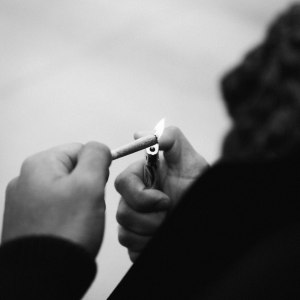
As a marijuana plant grows, it develops a cannabinoid known as CBGA. And as the marijuana continues to mature, CBGA eventually breaks down to produce THCa and CBDa.    And finally, tetrahydrocannabinolic acid converts into active THC in a process called decarboxylation. Basically, a fancy word that implies the use of heat, such as that used when smoking a joint or vaping cannabis oil, to transform THCa into the cannabinoid we all know and love, THC.   A person lighting a joint activating THCa   In other words, think of THCa as the precursor to THC because smoking THCa converts cannabinoids into psychoactive THC.  

Does THCa Get You High?: THCa vs THC

Now for the question on everybody’s minds: Does THCa get you high?    Short answer: no. But it’s a little more complicated than that. Allow us to explain…    Unlike THC, the THCa cannabinoid found in the cannabis plant is non-intoxicating because it’s still in its acid form. This means that it does not produce the mind-altering high we often crave.    On a molecular level, tetrahydrocannabinolic acid lacks an essential additional carboxyl ring needed to bind to cannabinoid receptors in the brain in order to create intoxicating effects. So if a euphoric high is your goal, consuming raw cannabis isn’t the way to go.   But despite a lack of psychoactive properties, or the ability to even produce psychoactive effects, THCa is still just as important as its counterpart, THC.   Let’s discuss this.  

Benefits of Tetrahydrocannabinolic Acid

Prior to the decarboxylation process, THCa isolate has its own benefits.    In the same way that we praise CBD for its potential therapeutic properties, we can’t help but appreciate yet another nonpsychoactive compound for its therapeutic potential: THCa.    Though more research is needed to fully explore its potential benefits, extracts primarily made up of THCa cannabinoids have been known to create a range of benefits, including:  
  • Anti-Inflammatory properties
  • Neuroprotective properties
  • Pain relieving properties
  • Anticonvulsant properties
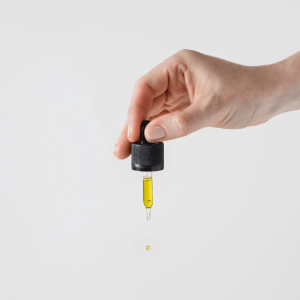
  Additionally, tetrahydrocannabinolic acid may be an antiemetic, which means that it could be used to prevent nausea and vomiting. This is especially ideal for those undergoing intense treatment such as chemotherapy.   THCa Cannabis oil descending from a dropper   As mentioned, more research needs to be conducted in order to uncover the numerous benefits of THCa.  

What is a High THCa Percentage in Hemp Flower Mean?

More often than not, avid cannabis consumers will choose their favorite strains based solely on THC percentage or THC content.    Though we admittedly advocate for terpene content over THC content, we won’t dive too deep into that particular debate.    Nonetheless, THCa content plays a role in your overall cannabis experience. This is because the application of heat at a certain temperature to pure THC could burn away some of the cannabinoid content and produce less potent mind-altering effects.    THCa flower, on the other hand, converts into THC through the aforementioned decarboxylation process.    In other words, THCa content is a more comprehensive representation of the psychoactive properties of any given strain given that in order to consume cannabis (aside from edibles), heat must be used and THCa will inevitably convert into THC cannabinoids.  

Key Takeaways

So does THCa get you high? No, but it easily undergoes a decarboxylation process and converts into THC, which is a cannabinoid that will surely produce the psychoactive effects commonly associated with marijuana.  

1. Can you consume THCa to get high?

No, THCa itself does not produce any psychoactive effects. Therefore, consuming it in its raw form, such as eating raw cannabis, will not produce a high. To experience the intoxicating effects of THC, the THCa must be converted to THC through consumption processes like heating, smoking, vaporizing, or cooking with cannabis at certain temperatures above, or around, 220°F.  

2. What are the potential risks of consuming THCa?

THCa is generally considered to be safe for consumption; however, it’s important to note that more research is needed to fully understand its effects on the mind and body. However, with the knowledge that we currently have on THCa, it could present a few potential risks, such as those related to psychiatric effects, respiratory issues, or addiction and dependency on cannabis.  

3. Are there any drug tests that can detect Tetrahydrocannabinolic Acid in the body?

Fun fact: Despite its nonpsychoactive effects, a specialized drug test is highly likely to detect trace amounts of THCa for an extended period of time. However, these tests are not commonly used for routine drug screening purposes and are typically reserved for specific situations where a detailed analysis of cannabis compounds is necessary.  

4. How do you consume THCa?

Consuming THCa in its raw form can be challenging because it is not psychoactive until it undergoes decarboxylation, a process that converts THCa into THC. However, if you still want to consume THCa in its raw state, you could do so through methods such as sublingual administration but more information is needed to understand the ideal dosage.    

June 28, 2023

Meet the Pack

Meet the crew making sure your stash stays stocked.